



Off-Road Tire Repair Guide
Flat tire on the trail? This guide covers the three most common types of off-road tire damage, how they happen, and the repair options available for each.
The Three Most Common Types of Tire Damage

Sidewall Damage
Sidewall damage is one of the most challenging tire problems encountered off-road because the sidewall constantly flexes while driving.
Common causes include rocks, roots, trail obstacles, underinflated tires, and cuts from sharp debris. Unlike tread punctures, sidewall damage often cannot be repaired with traditional plugs because the damaged area is under constant movement.
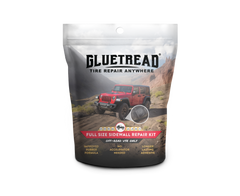
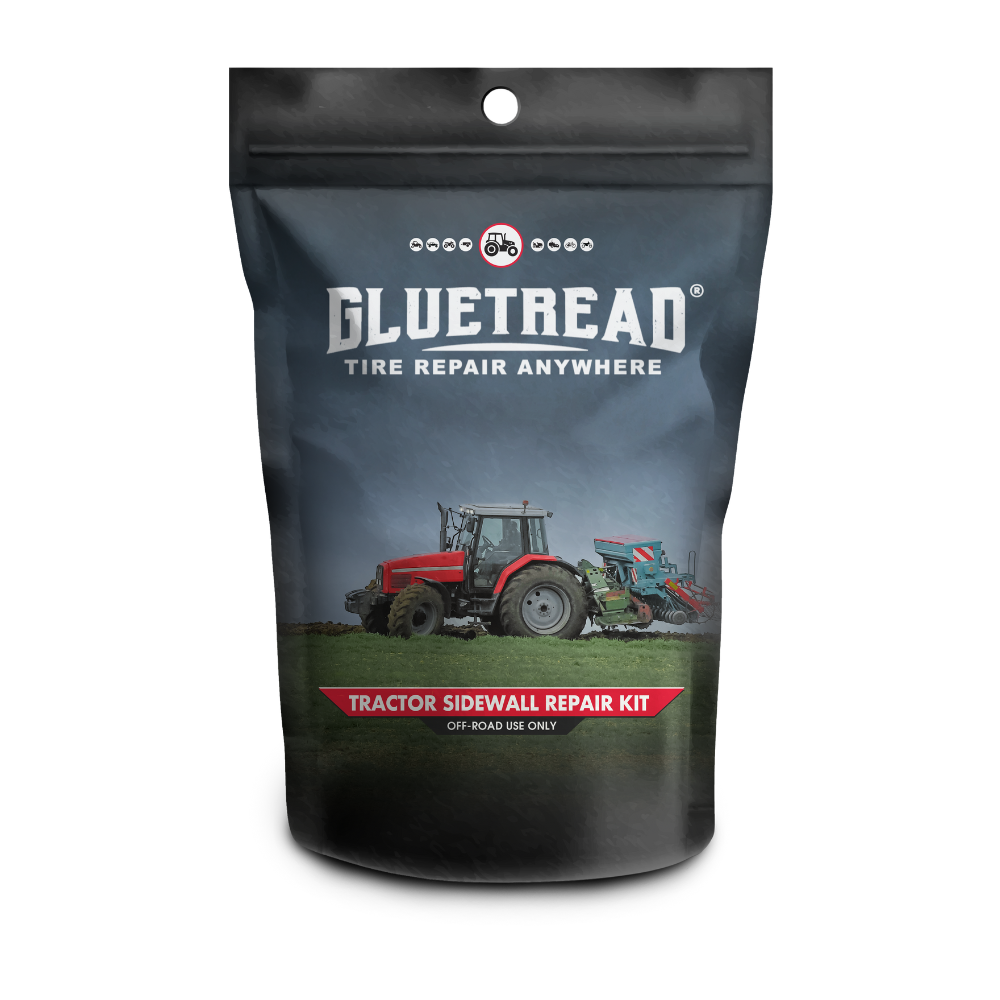
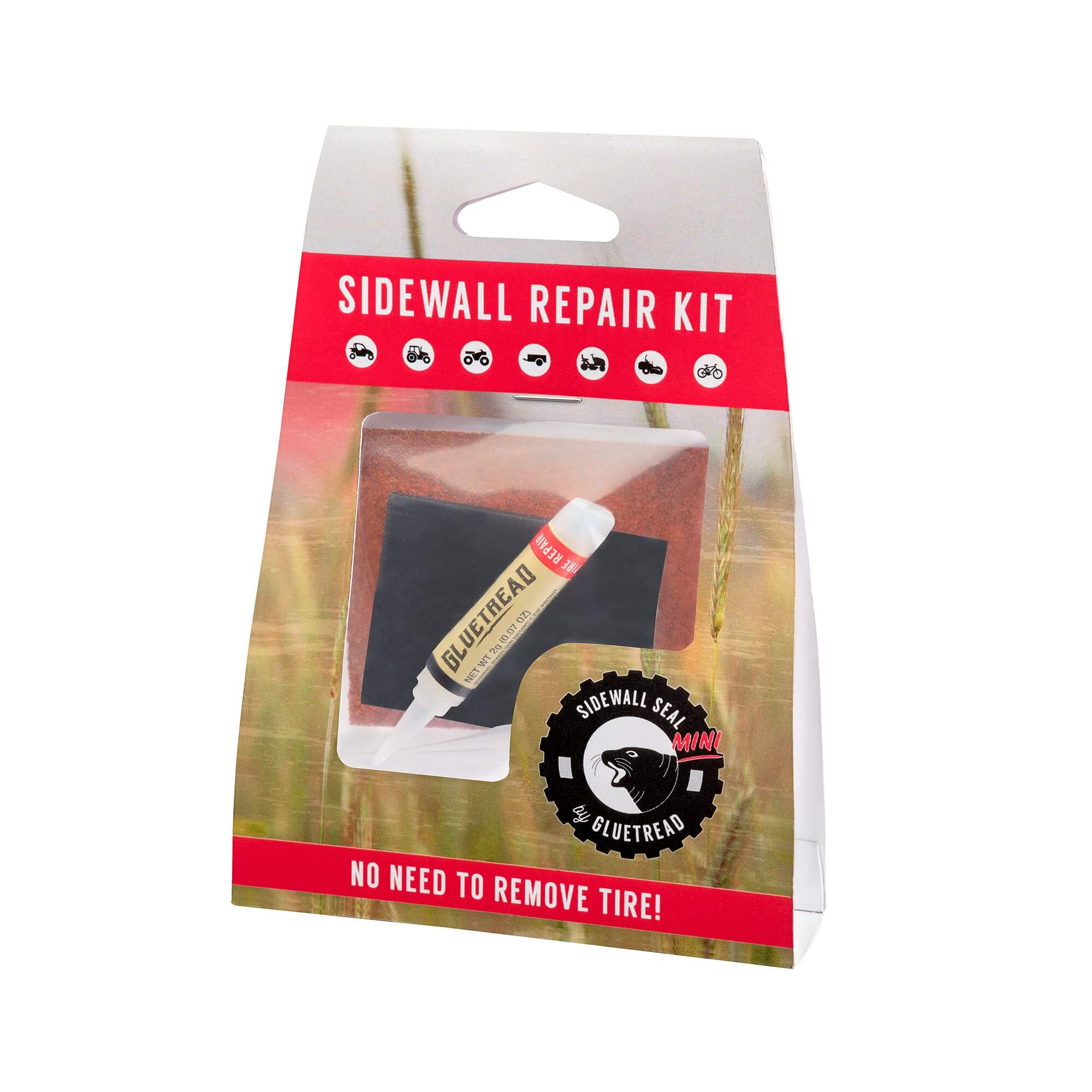
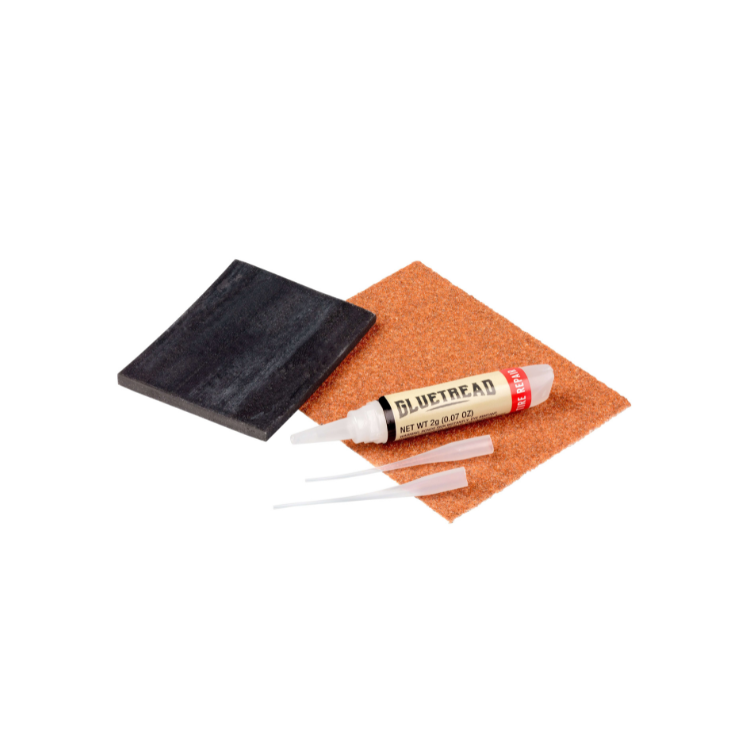
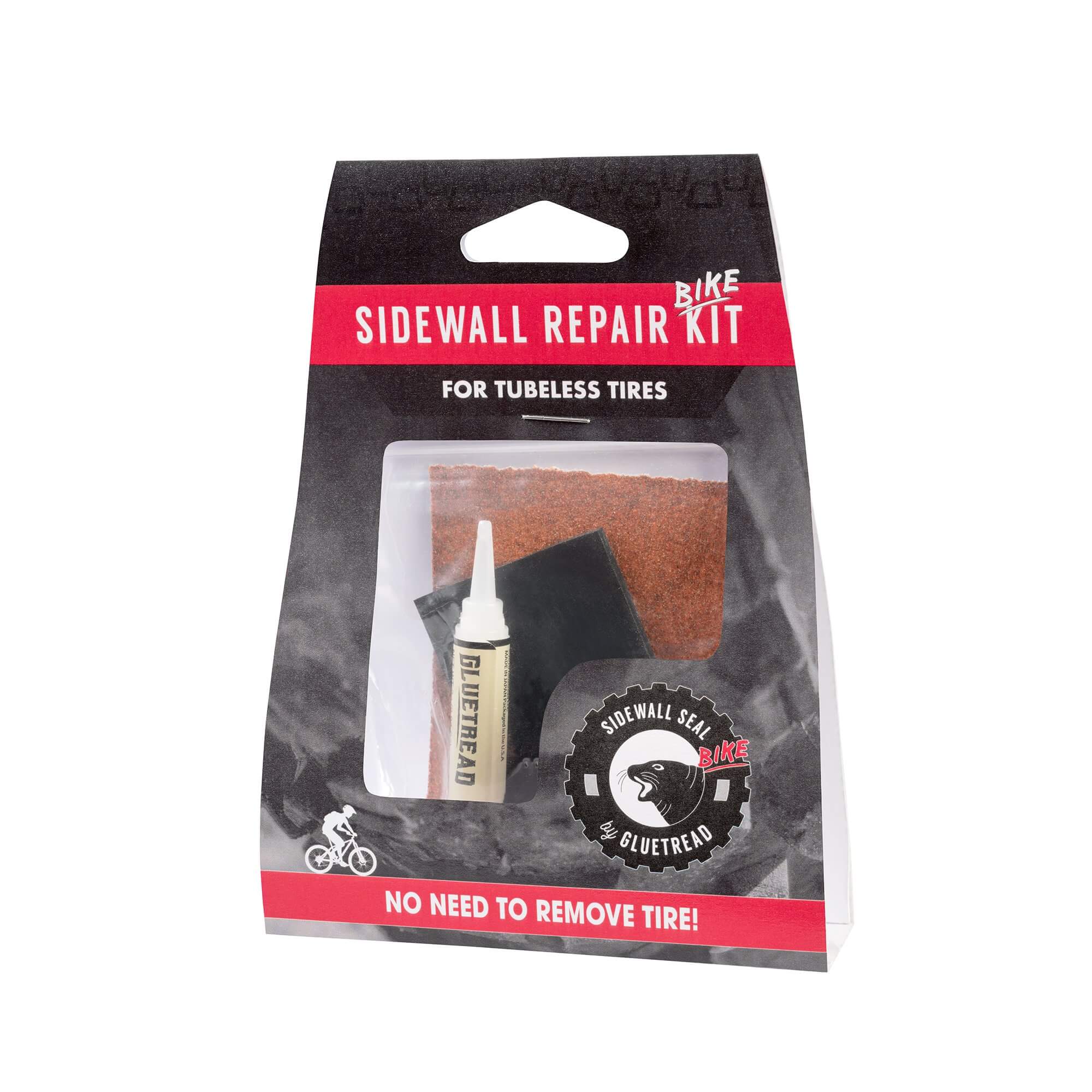
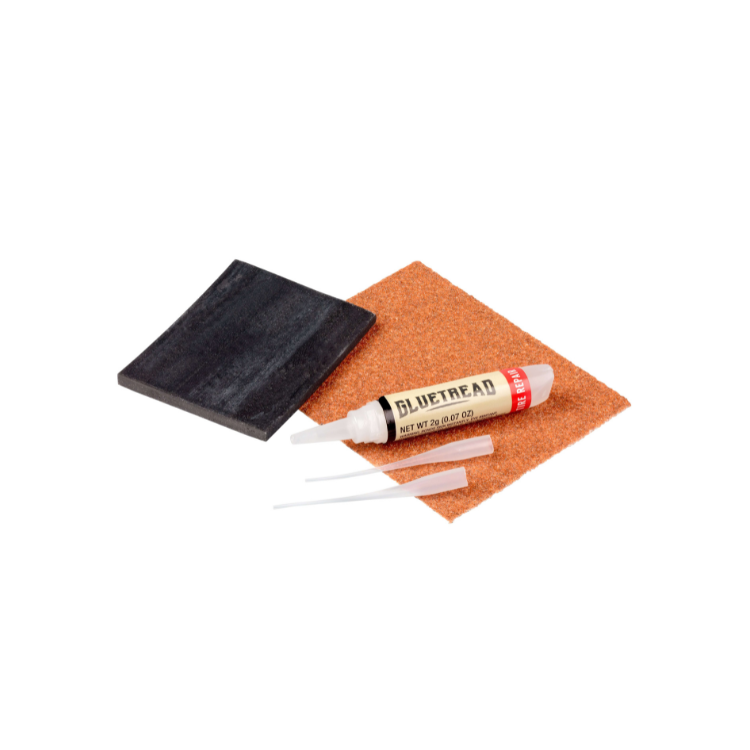
External sidewall repair systems, such as GlueTread patches, are designed specifically to help seal cuts, slices, and punctures in the sidewall without removing the tire from the vehicle.

Tread Punctures
Tread punctures are one of the most common tire problems you'll encounter on the trail.
Nails, screws, sharp rocks, and other debris can puncture the tread and cause a slow leak or flat tire. In many cases, a tire plug can quickly seal the damage and get you moving again.
While tread punctures are often easier to repair than sidewall damage, they're still a good reminder that a little preparation can save a trip. Carrying the right repair gear means you're ready when a simple puncture tries to ruin the day.

Valve Stem Damage
Valve stem failures are often overlooked, but they can leave a tire completely flat just as quickly as a puncture.
Common causes include trail damage, aging rubber, dry rot, and impacts from rocks or debris. In some cases, the tire itself is perfectly fine, but a damaged valve stem prevents it from holding air.
The good news is that replacing a valve stem is often much faster and less expensive than replacing the tire. That's why many experienced off-roaders carry a replacement valve stem as part of their tire repair kit.
What Tire Repair Gear Should You Carry?

If you're heading off-road, it's important to carry a tire repair setup that can handle the most common types of tire damage.
A well-prepared kit should include:
- Tire plugs for tread punctures
- A sidewall repair solution for cuts and slices
- A replacement valve stem
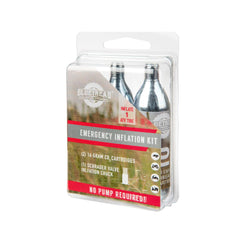
- An air compressor or CO2 inflation system
- A tire pressure gauge
- Basic hand tools
Many off-roaders also carry a spare tire, jack, and lug wrench. While a spare is an important part of any recovery plan, having multiple repair options can help when a tire change isn't practical or if you encounter additional damage on the trail.
GlueTread Tire Repair Solutions






Common Questions
Can I repair my tire's sidewall, or do I have to replace the tire?
Yes, in many cases you can repair your tire’s sidewall.
Tire shops usually recommend replacing the tire because standard plugs and patches don’t hold well on the sidewall. GlueTread is designed for that flexing area and can seal cuts or damage up to about four inches long.
If the damage isn’t severe and the tire isn’t blown out, a repair can get you back on the trail without needing to replace the tire right away.
Want to see how it works? We’ve got real repairs posted on our Instagram.
Note: GlueTread repairs are intended for off-road and emergency use to get you back to safety.
How long does a tire repair last using a patch kit?
A properly repaired tire can last the life of the tire, but that usually applies to tread repairs, not sidewalls.
GlueTread sidewall repairs are designed for emergency situations, but many customers report getting thousands of miles or even the life of the tire after a repair.
How long it lasts depends on the size of the damage and how the tire is used, but when applied correctly, it can hold up far longer than expected.
Note: GlueTread repairs are intended for off-road and emergency use to get you back to safety.
What should I carry for tire repair on an off-road trip?
If you’re heading off-road, you should carry a basic tire repair setup so you don’t get stranded.
At a minimum, bring:
- A plug kit for punctures
- A sidewall repair solution like GlueTread products for cuts or slices
- A portable air compressor or CO2 to reinflate your tire
- A tire pressure gauge
- Basic tools like pliers to remove debris
If you’ve got the space, it’s also smart to bring a full-size spare, jack, and lug wrench.
Most people only carry a plug kit, but sidewall damage is common off-road. Having a way to handle both punctures and sidewall cuts, like the SxS Pro Kit, can make the difference between driving out and being stuck miles from help.
You can see real-world repairs and what to carry in action on our Instagram.
Where can I find more answers?
Visit our FAQ page for additional information about tire repair, installation, shipping, product compatibility, and more.
Additional Resources
Important Usage Information
GlueTread products are designed for off-road and emergency tire repairs to help get you back to safety. They are not U.S. Department of Transportation approved for permanent on-road use.