




When a tractor tire fails, it rarely happens at a convenient time. It is not in the shop, not near a spare, and almost never when the work can wait. A sliced sidewall, puncture, or damaged valve stem can take an entire piece of equipment out of service right in the middle of a field.
That kind of downtime does more than slow things down. It costs time, money, and momentum during windows when every hour matters. That reality is why more farmers are thinking ahead when it comes to tractor tire repair, instead of reacting once a breakdown has already happened.
A Real-World Tractor Tire Repair Conversation on Farm4Profit
GlueTread founder Andy was recently featured on the Farm4Profit podcast as part of their segment, What’s Working in Ag? The episode was hosted by Tanner Winterhof and Corey Hillebo and focused on practical tools, technology, and strategies that help farmers stay productive and profitable.
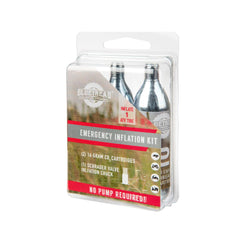
As Tanner and Corey unboxed GlueTread kits and talked through real-world scenarios, one comment stood out. Corey looked over the contents and said, “Looks like a first-aid kit for your tires.”
It was a simple line, but it captured the idea perfectly. You do not expect a tire failure, but you are better off when you are prepared for one. On a farm, that kind of preparation often separates a minor delay from a day lost.
Why Tractor Tire Repair Downtime Costs More Than the Tire
A damaged tractor tire is rarely just a tire problem. When equipment is stuck in the field with no way to make a repair, the ripple effects add up fast. Fieldwork stalls, labor waits, and timing becomes harder to recover. In some cases, a delay caused by a tire issue can cost far more than the tire itself.
That is why preventative purchases matter. Having a tractor tire repair solution ready before something goes wrong keeps small problems from turning into expensive ones.
Tractor Tire Patch Repairs Designed for Solo Use
During the conversation, Andy explained what the GlueTread Tractor Kit is designed to handle. It is not a single-use solution or a basic plug kit. The Tractor Kit allows operators to repair punctures, sidewall damage, and valve stem issues, all from the exterior of the tire.
Just as important, the repair can be done by one person. There is no need to call for help or wait on a second set of hands. The kit is designed so the equipment operator can make the repair on their own, right where the machine sits.
Because the repair is external, there is no need to remove the tire or break the bead. That matters when working with large equipment in remote areas. Regardless of the damage, the repair uses the same tractor tire patch system to get equipment moving again without unnecessary complexity.
For a quick look at how the process works in the field, this short video demonstrates how a tractor tire patch is applied.
When a Tractor Tire Patch Is the Right Fix
During the podcast, Andy reminded listeners that GlueTread repairs are positioned as temporary fixes. While not technically street legal, they are designed to help operators handle a tire issue and keep working.
That framing led to a familiar exchange between Tanner and Corey, who laughed about how many so-called temporary fixes on farms end up lasting far longer than anyone originally planned. Both shared stories of quick solutions that were meant to buy a little time and ended up holding for seasons, sometimes years.
It is a reminder of how farming actually works. Not every solution needs to be permanent in the moment. Sometimes the most valuable repair is the one that keeps the operation running through harvest season until a permanent fix can be made.
Planning Ahead for Tractor Tire Repair in the Field
When a tire goes down in the middle of a field, options are limited. Planning ahead changes that. Carrying a tractor tire repair kit means you are not relying on luck, availability, or outside help when something goes wrong.
Just like spare parts and tools, a reliable tractor tire repair solution is about control. It gives operators the ability to respond immediately and keep work moving when delays are least affordable.
Because when equipment matters, having a plan matters even more.
Leave a comment